
July 1 and 2, 2027, at the University of Antwerp, Belgium.
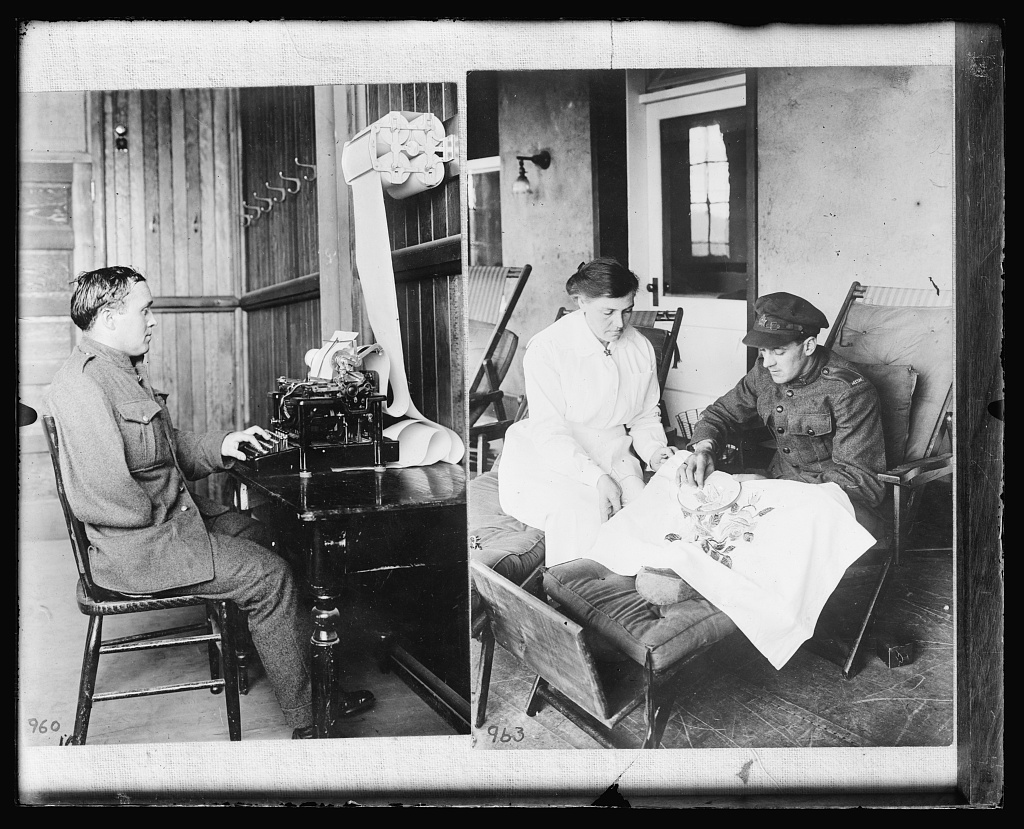
The Military Welfare History Network holds its sixth international conference at the University of Antwerp, on the theme “War Disabilities: Experiences, Actors, and Care Systems.” It will consider how war disabilities have been experienced, negotiated and categorized throughout history: which were recognized and classified, who was involved in that process, and how it affected care options for soldiers, their families and other military personnel.
The conference aims to encourage dialogue between military welfare history and disability history, and to historicize the notion of war disabilities itself. It invites contributions from researchers specializing in any historical period and any region of the world that consider concepts and experiences of war disabilities, within and outside military welfare systems, poor relief and civil welfare.
Suggested topics include, but are not limited to:
- Living with war disabilities, with and without support
- Discourses of war disabilities
- The relationship between specific tasks of military labor throughout history and notions of fitness and unfitness
- Definitions and levels of fitness and unfitness, and processes of standardization in care systems
- The role of medicalization and medical personnel, as against military experts, in recognizing and categorizing war disabilities
- The relationship between unfitness in the military context and a general inability to work
- Tasks and requirements of invalid battalions and similar units
- Treatment of war disabilities and notions of whether they could be cured
- Criteria of support in military welfare as against poor relief and civil welfare systems
- Actors of the care system
Abstracts are due January 31, 2027
Send an abstract of 250 words outlining your paper’s theme, approach and sources, with a biographical note of no more than 50 words giving your institutional affiliation and contact details, to militarywelfarehistory@gmail.com by January 31, 2027. The organizers will send notice of acceptance by mid-February 2027.
Papers are individual presentations of 20 minutes, followed by 10 minutes of questions. The conference is open to members of the Network and to non-members, and the fee is €30.
Keynotes on the Napoleonic Wars and the Middle Ages
The keynote speakers are Prof. David M. Turner (Swansea University), on disabled veterans’ agency in the era of the Napoleonic Wars, and Prof. Kathryn Hurlock (Manchester Metropolitan University), on medieval war trauma and disability.
The conference meets at the University of Antwerp, Klooster van de Grauwzusters, Lange Sint-Annastraat 7, 2000 Antwerp. The organizers are Dr. Julia Heinemann, Dr. Christophe Masson, Dr. Axel Tixhon, Dr. Reinout Vander Hulst and Dr. Paul Huddie, the Network’s coordinator. They expect to publish selected papers in a volume or a special issue of a journal, and in the Network’s podcast series.
More is on the conference page of the Military Welfare History Network website.
Call for papers: War Disabilities: Experiences, Actors, and Care SystemsPDF145 KB